
Pay-per-click (PPC) advertising can be a game-changer for businesses looking to drive traffic, generate leads, and increase conversions. But if you’re not careful, simple mistakes can drain your budget without delivering the results you expect. When poorly managed, PPC can quickly become a money drain—showing your ads to the wrong audience, lowering your quality score, and driving up costs without delivering results. In fact, businesses waste an average of 25% of their PPC spend on ineffective strategies.
Here are five of the most common PPC mistakes—and what you can do to avoid them.
1. Biggest PPC Mistakes: Not Using the Right Keywords
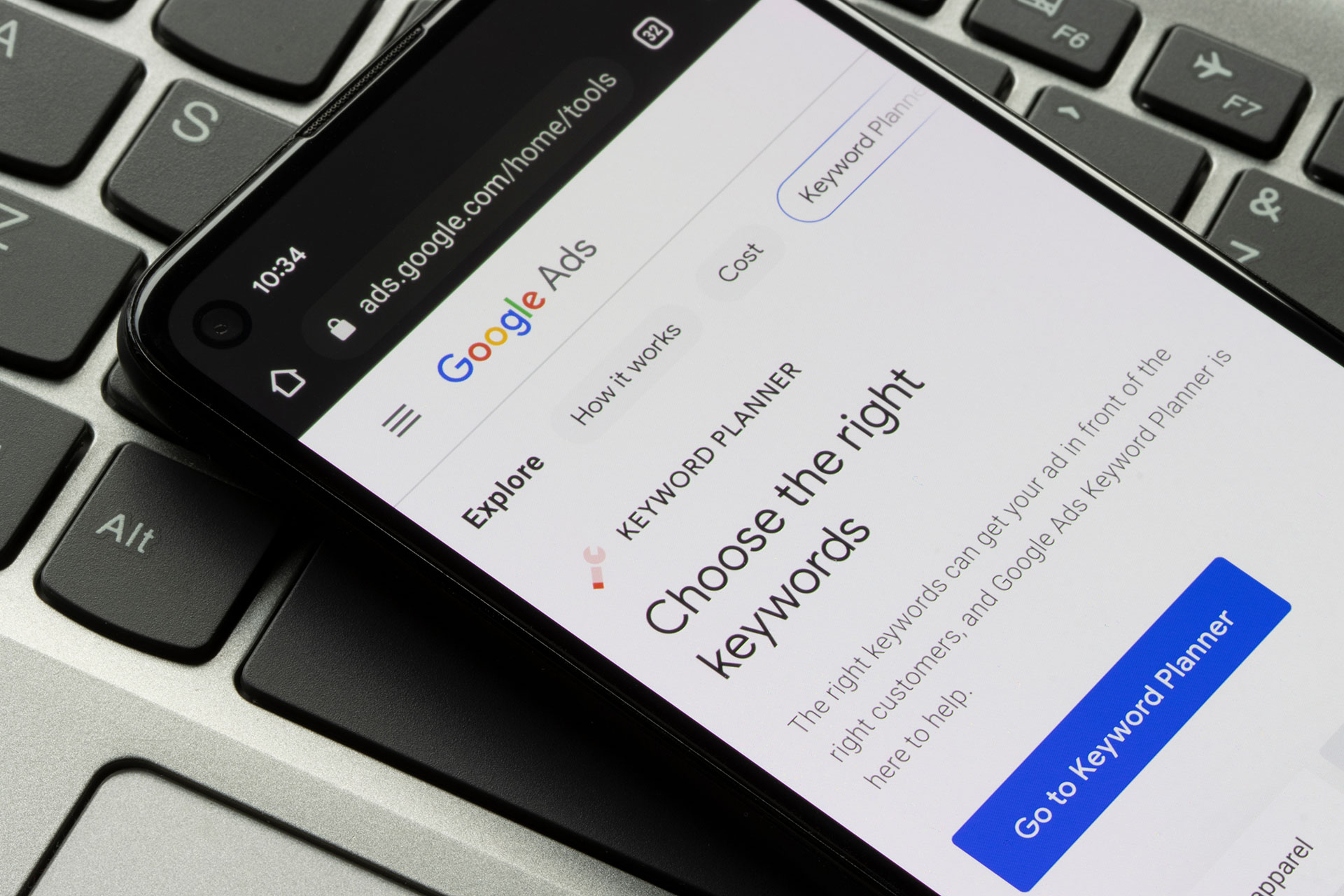
One of the biggest PPC mistakes businesses make is targeting the wrong keywords. If you’re bidding on broad or irrelevant search terms, you’re likely attracting the wrong audience, leading to wasted ad spend and low conversions. Using the best PPC keyword research tools can help you find the right keywords to reach your ideal customers and maximize your ad spend.
How to Fix It:
- Conduct thorough keyword research before launching your campaign. Use tools like Google Keyword Planner, SEMrush, or Ahrefs—some of the best PPC keyword research tools—to identify high-intent keywords relevant to your business.
- Focus on long-tail keywords that are more specific and likely to attract users who are ready to take action.
- Use negative keywords to filter out searches that aren’t relevant to your business, ensuring your budget is spent on the right audience.
2. Ignoring Ad Copy Quality
Your PPC ad copy is the first thing potential customers see, and if it’s vague, generic, or uninspiring, they’ll scroll right past it. Many businesses make the mistake of focusing too much on keywords and not enough on writing interesting ad copy that grabs attention.
How to Fix It:
- Make sure your ad copy is clear, engaging, and action-driven. Highlight what makes your business unique and why users should click your ad.
- Include a strong call to action (CTA), such as “Get a Free Quote,” “Shop Now,” or “Sign Up Today.”
- Test different ad variations to see which messaging resonates best with your audience.
3. Sending Traffic to the Wrong Landing Page
A well-made ad is only half the battle—if your landing page doesn’t match the user’s intent, they’ll bounce without converting. A common mistake is sending users to a generic homepage instead of a dedicated landing page that aligns with the ad’s promise. For example, if your ad promotes a special discount on running shoes, but users land on your homepage instead of the product page, they’ll have to search for the deal themselves—if they don’t give up and leave first.
How to Fix It:
- Make sure each PPC ad links to a relevant, optimized landing page that directly supports the ad’s specific message.
- Keep the page simple and focused, with a clear CTA and minimal distractions.
- Optimize for fast loading times and mobile-friendliness, since slow or unresponsive pages can cause frustration and drive potential customers away.
4. Ignoring Conversion Tracking
Tracking conversions is the backbone of every successful PPC campaign. Without proper tracking in place, you’re essentially flying blind—you won’t know which ads, keywords, or campaigns are actually driving results. This makes it nearly impossible to optimize performance or allocate your budget effectively.
For WordPress users running lead or contact forms, implementing a referral-tracking plugin can reveal which campaigns or partners actually drive real form submissions — a crucial part of optimizing PPC ROI.
How to Fix It:
- Set up Google Ads Conversion Tracking or Facebook Pixel (depending on your platform) to monitor key actions like form submissions, purchases, or phone calls.
- Use Google Analytics to track user behavior and measure which campaigns are driving real results.
- Regularly review performance data to make data-driven decisions and optimize your campaigns accordingly.
5. Neglecting Ongoing Campaign Optimization
PPC campaigns need continuous management and optimization. One of the most common mistakes is setting up a campaign, letting it run on autopilot, and assuming it will continue performing well without any tweaks or adjustments.
How to Fix It:
- Monitor your campaigns regularly to analyze performance metrics like click-through rate (CTR), conversion rate, and cost-per-click (CPC).
- Adjust bids, update keywords, and tweak ad copy as needed to improve results.
- Run A/B tests on different ad creatives, landing pages, and targeting strategies to see what works best.
Maximize Your PPC Success by Avoiding These Costly Mistakes
PPC advertising can deliver great results—but only if you avoid these common, costly mistakes. By focusing on the right keywords, compelling ad copy, optimized landing pages, conversion tracking, and ongoing adjustments, you can maximize your ROI and make certain your budget is well spent.
If you’re looking for expert help with your PPC strategy, Hawp Media is here to guide you. Get in touch today to create high-performing PPC campaigns that drive real business results.